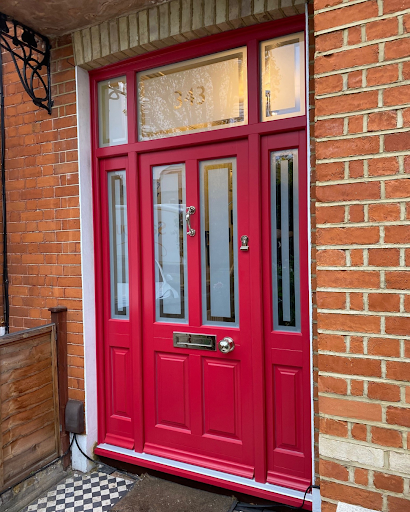
If you’re replacing your patio doors, one of the first decisions you’ll need to make is between French doors or sliding patio doors. Both are great, but they suit different homes and styles.
Some homeowners are looking for a traditional design that complements the character of their property, while others want more glass to make the most of the garden view.
At Elwyns, we’ve been helping homeowners across Surrey and South London choose new windows and doors for more than 60 years. Here’s what to consider when comparing French doors and sliding patio doors.
French Doors
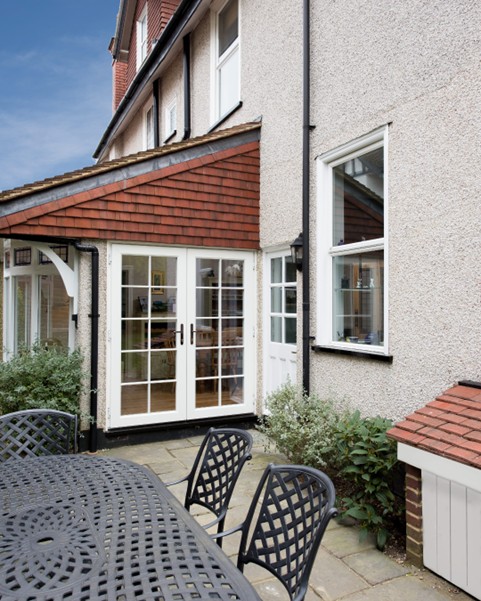
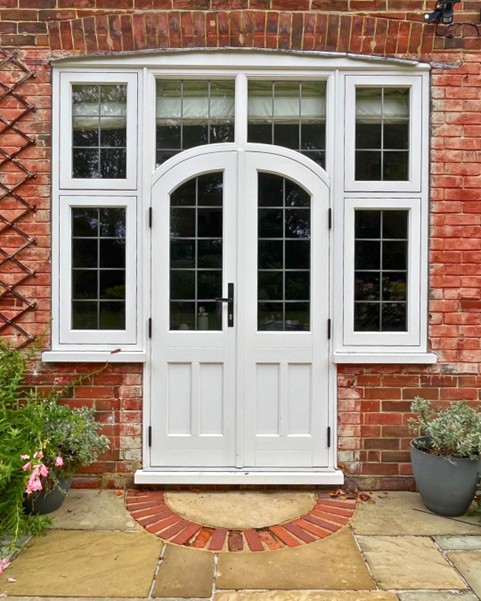
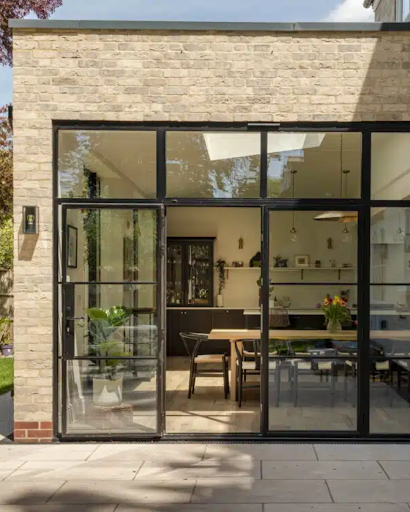
French doors have remained popular for generations. Their balanced, symmetrical design suits everything from Victorian terraces to detached family homes and cottages.
Both doors can be opened to create a generous opening onto the garden, making them a great choice if you enjoy entertaining or simply want to make the most of warmer days.
Our French doors are available in a range of materials, including timber from Timber Windows, aluminium from Sheerline and Aluco, uPVC from Whiteline and Everglade, and timber alternative from Evolution. That means you can choose a style that complements your home without compromising on performance.
Sliding Patio Doors
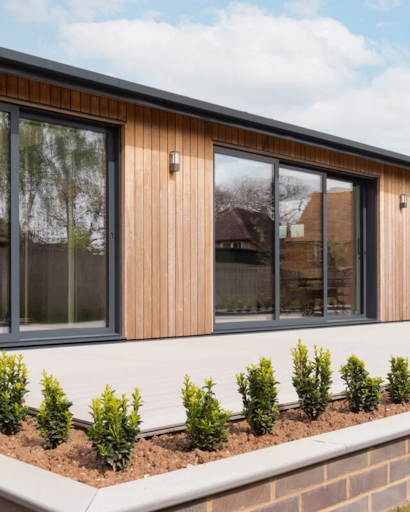
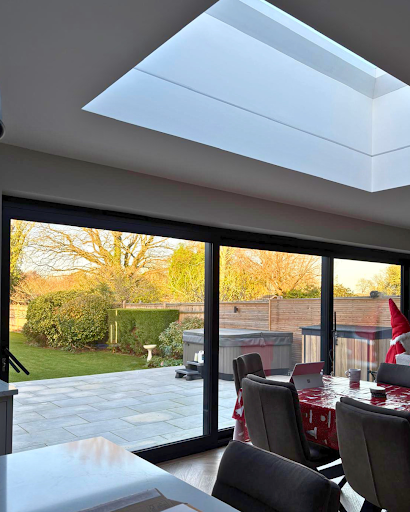
Sliding patio doors offer a different look altogether. Rather than opening on hinges, the glazed panels slide neatly behind one another, making them practical when it is tight on space.
They’ve become popular in kitchen extensions and garden-facing living spaces because they allow for larger areas of glazing and uninterrupted views outside.
At Elwyns, we offer sliding patio doors from Sheerline and PatioMaster, both of which combine slim frames with smooth operation and excellent thermal performance.
Which Style Lets in More Light?
If making a room feel brighter is your main priority, sliding patio doors generally have the advantage.
Because the frames are slimmer and the glass panels are larger, they allow more natural light into the room and provide wider views of the garden.
French doors still offer plenty of glazing, but the meeting point in the centre creates a more traditional appearance.
Thinking About Space
This is often one of the deciding factors.
French doors need room to open, either inwards or outwards, so it’s worth thinking about furniture, patios and planting before making a decision.
Sliding patio doors move within their own frame, making them a practical option where space is tighter or where you don’t want doors opening onto a seating area.
Which Is Better for a Period Home?
Both styles can work well, but the overall character of your property is worth considering.
French doors often feel more at home on period properties, particularly Victorian and Edwardian houses, where they complement the original architecture.
Sliding patio doors are often chosen for more contemporary homes or rear extensions, where the aim is to create larger openings and maximise views of the garden.
That said, many homeowners successfully combine traditional architecture with contemporary glazing. It comes down to the overall design rather than following a set rule.
Energy Efficiency
Modern patio doors are designed to keep your home comfortable throughout the year.
Whether you choose French doors or sliding patio doors, you’ll benefit from improved insulation compared to older doors, helping to reduce draughts and heat loss.
The quality of the installation is just as important as the product itself. A well-fitted door will perform better and continue to do so for years to come.
Which Door Is Right for You?
If you’re still undecided, it helps to think about what matters most to you.
French doors are often the preferred choice if you’re looking for a more traditional appearance or want both doors to open fully onto the garden.
Sliding patio doors are ideal if your priority is larger panes of glass, uninterrupted views or making the most of the available space.
Many of our customers visit one of our showrooms to compare the two side by side before making a decision. Seeing the products in person often makes it much easier to picture them in your own home.
Why Choose Elwyns?
Replacing your patio doors is an investment, so it’s important to choose products that are made to last and a company that will be there long after the installation is complete.
Established in 1963, Elwyns has built its reputation on quality products, experienced installation and honest advice. We work with carefully selected manufacturers and take the time to recommend doors that genuinely suit your home rather than following passing trends.
Whether you’re renovating a period property, extending your home or simply replacing ageing doors, we’ll help you find a solution that looks right and performs well for years to come.