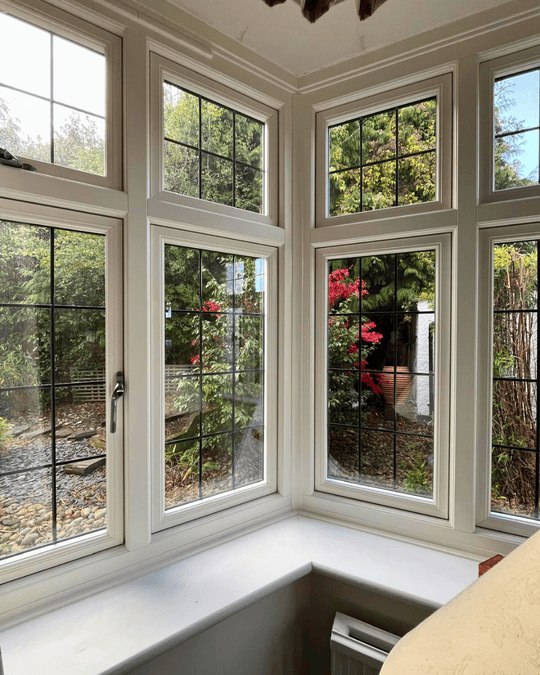
Upgrading the windows in a period home can feel like a bit of a balancing act. You want a warmer, quieter and more comfortable house, but you also do not want to lose the details that made you fall in love with the property in the first place.
For Victorian, Edwardian, Georgian and other traditional homes, the windows can be one of the most important features of the exterior. Sash windows, bay windows, timber casements, decorative glazing bars and original glass all contribute to the character of the building.
The good news is that improving the thermal performance of a period home does not necessarily mean replacing everything with modern-looking windows.
There are several options available, from repairing and draught-proofing existing windows to installing secondary glazing, slim-profile double glazing or completely new windows designed to replicate traditional styles.
So, what are the options for double glazing in a period home, and which is likely to be right for your property?
Why are period homes more difficult to double glaze?
Older properties were built at a time when windows were designed very differently from modern units.
Traditional sash windows, for example, often have slim glazing bars and relatively shallow frames. Original casement windows can also have much narrower sections than a modern double-glazed window.
Standard double-glazed units are usually thicker than single glazing. This can create a problem when trying to fit them into an original frame without changing its proportions.
That is particularly important in period properties because the appearance of a window is not just about the glass. The frame, glazing bars, opening arrangement and overall proportions all contribute to how authentic it looks.
Historic England notes that some traditional windows may not have enough depth or width in the glazing bars to accommodate even slim double-glazing units. In these cases, secondary glazing can provide an alternative without altering the original window.
This is why there is no single answer to the question of which double glazing is best for a period home. The age and style of the property, the condition of the existing windows and any planning or conservation restrictions all need to be considered.
What are your options?
When improving the windows in a period property, there are generally four routes to consider:
- Repair and draught-proof the original windows
- Install secondary glazing
- Replace the glass with slim-profile double glazing where suitable
- Replace the windows with new, traditionally styled double-glazed windows
Each has its advantages, and the right choice depends on what you are trying to achieve.
1. Keep the original windows and improve them
Before looking at replacement windows, it is worth asking whether your existing windows actually need replacing.
A well-made timber window can have a surprisingly long lifespan, particularly when it has been maintained properly. Some traditional timber windows can be repaired, repainted and draught-proofed rather than removed.
Draughts are often a bigger problem than homeowners realise. Gaps around moving parts and between the frame and opening can allow cold air into the house, making rooms feel colder even when the heating is on.
Draught-proofing can therefore make a noticeable difference without changing the appearance of the property.
Historic England recommends considering repair and draught-proofing as part of an approach to improving the energy efficiency of older windows.
This can be particularly worthwhile if your windows are original and still in good condition.
However, repairing the windows will not give you the same glazing performance as a modern double-glazed unit. If thermal performance is the main reason for upgrading, you may want to consider one of the options below.
2. Secondary glazing
Secondary glazing is often overlooked because it is not technically a replacement window.
Instead, a second pane of glass is installed on the inside of the existing window. Your original window remains in place, while the additional glazing creates another layer between the inside of your home and the outside.
For period properties, this can be an extremely useful solution.
The biggest advantage is that the external appearance of the house remains unchanged. Original sash windows, decorative glazing bars and historic glass can all be retained.
It can also work particularly well in conservation areas or on listed buildings where replacing original windows may be restricted.
Historic England recommends secondary glazing as an important option for improving the energy efficiency of traditional windows. Its research has found that carefully designed secondary glazing can reduce heat loss through windows by more than 60%, while also improving sound insulation.
There are different types of secondary glazing available, including discreet systems designed specifically for traditional sash windows. Some can be fitted with very slim frames, while removable systems are also available.
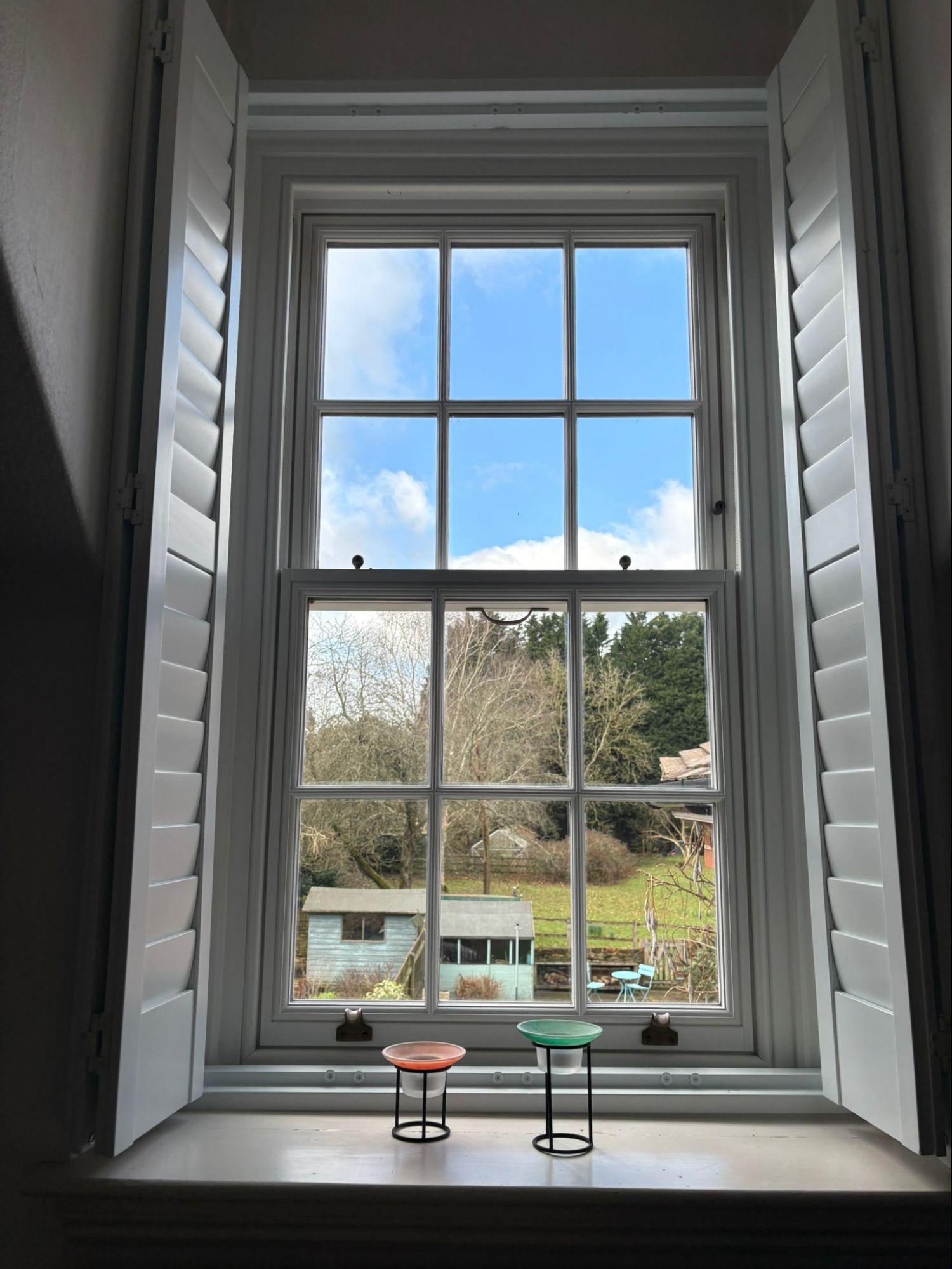
The main consideration is the interior of the room. Because the secondary glazing sits inside the existing window, you need to think about how it will interact with shutters, curtains, window furniture and existing mouldings.
For a period home where preserving the original windows is the priority, however, it can be one of the most sympathetic options.
3. Slim-profile double glazing
If you want the performance of double glazing but would prefer to retain existing frames, slim-profile units may be worth investigating.
As the name suggests, these double-glazed units are thinner than standard modern units. This can make them more suitable for traditional windows where space is limited.
There are limits, though. Not every original frame will be suitable, and the condition and construction of the window need to be assessed before deciding whether the glass can be replaced.
Historic England’s current guidance recognises slim-profile and vacuum double glazing as possible options for historic buildings, while noting that the suitability of the existing frame and the significance of the window need to be considered.
This can be particularly useful where the existing window is worth retaining but needs improved thermal performance.
However, replacing the glass is not always straightforward. The additional weight of double glazing can affect traditional opening mechanisms, particularly sash windows, which may require adjustments to the counterbalancing system.
If you are considering this route, it is worth getting specialist advice rather than assuming any existing timber window can simply be converted to double glazing.
4. Replace the windows with new traditional-style double glazing
For some period homes, replacement windows are the most practical option.
This does not necessarily mean choosing a modern-looking window. Traditional double-glazed windows are available in designs based on the proportions and detailing of older windows.
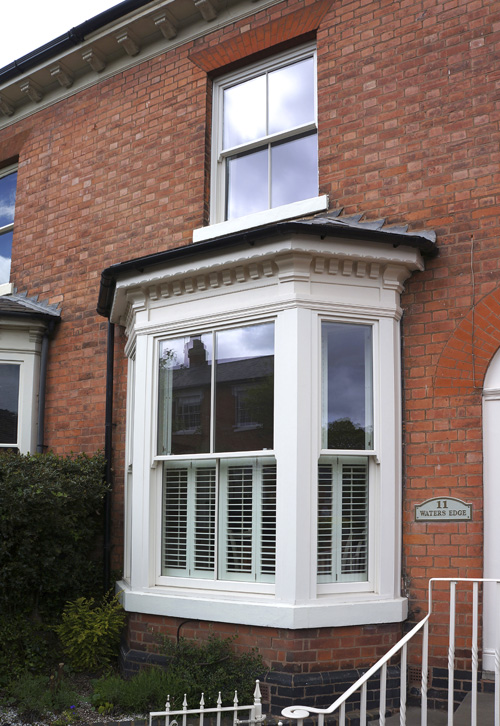
For example, a Victorian home may suit sliding sash windows or traditional casements, while an Edwardian property may have originally featured larger areas of glazing and simpler decorative detailing.
The aim should be to replace the performance of the old window without losing the character of the property.
This is where material becomes important.
Timber double glazing
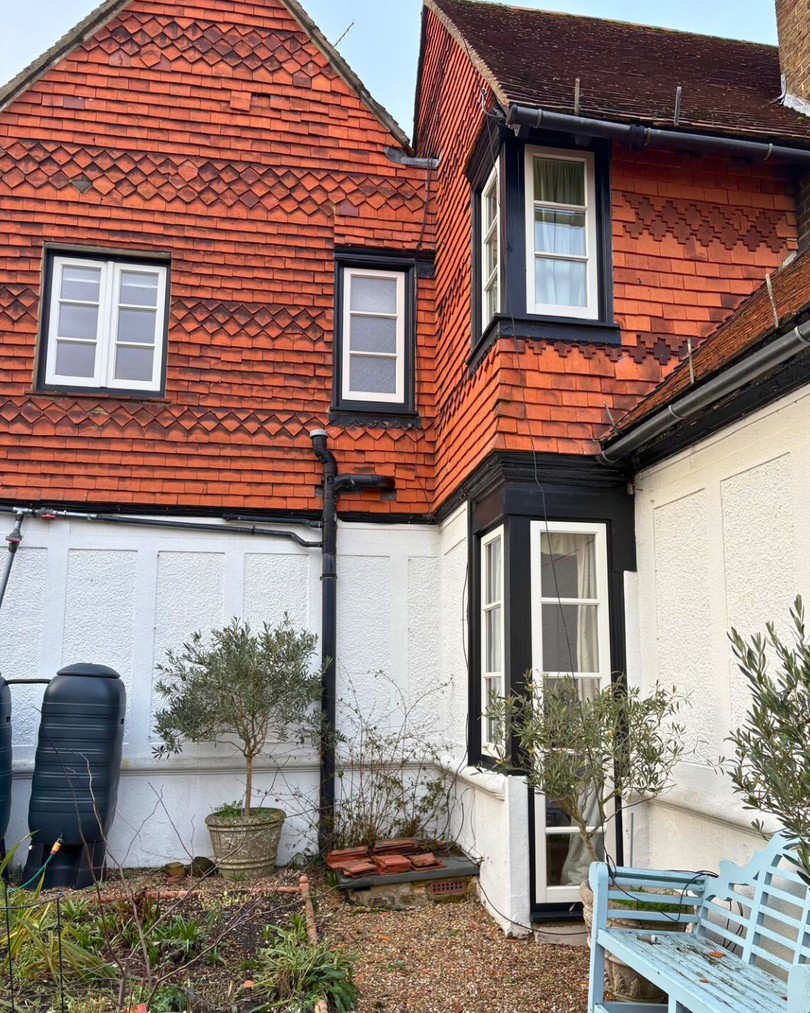
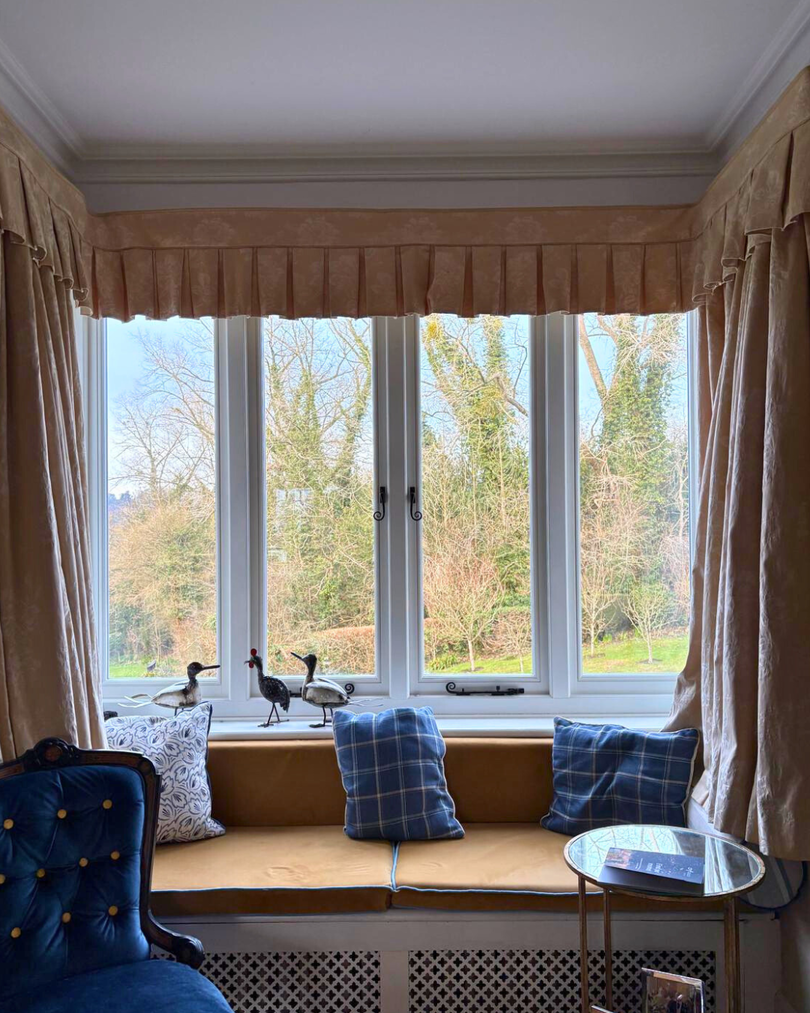
Timber remains a popular choice for period properties because it can closely replicate traditional window designs.
A well-designed timber window can retain slim sightlines, traditional proportions and detailed joinery while incorporating modern double glazing.
For a homeowner restoring a Victorian or Edwardian property, timber can be a particularly natural choice when authenticity is important.
It also gives you flexibility over paint colours and finishes, which can be useful when matching existing architectural details.
Timber alternative double glazing
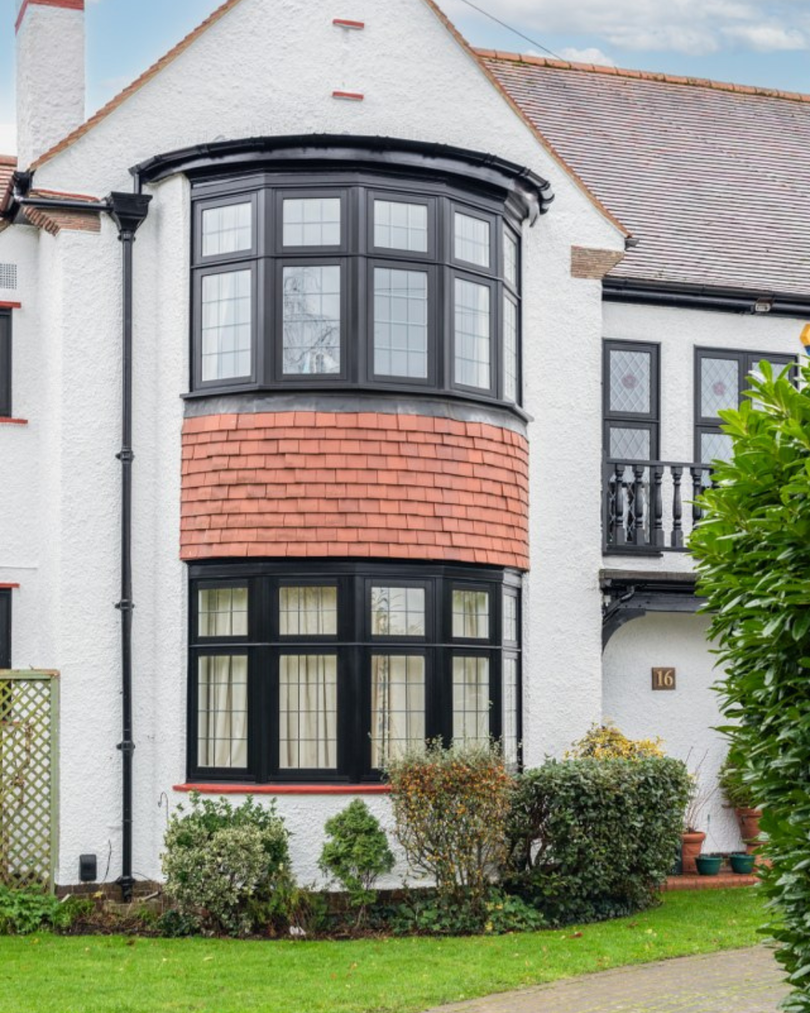
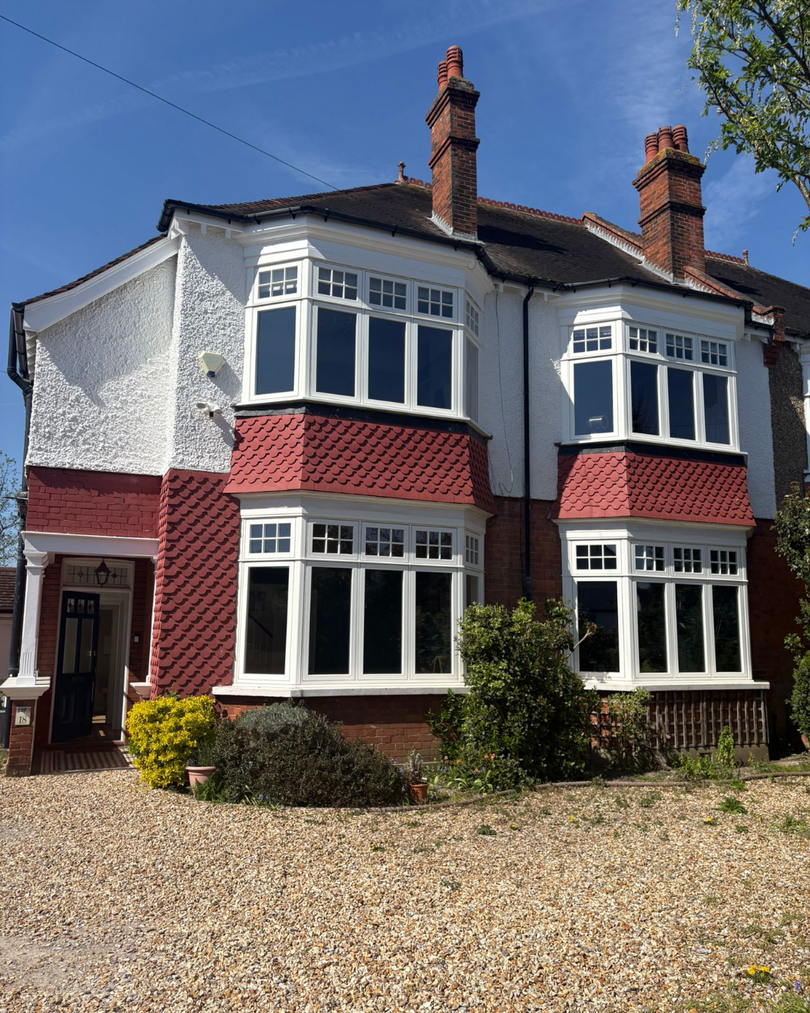
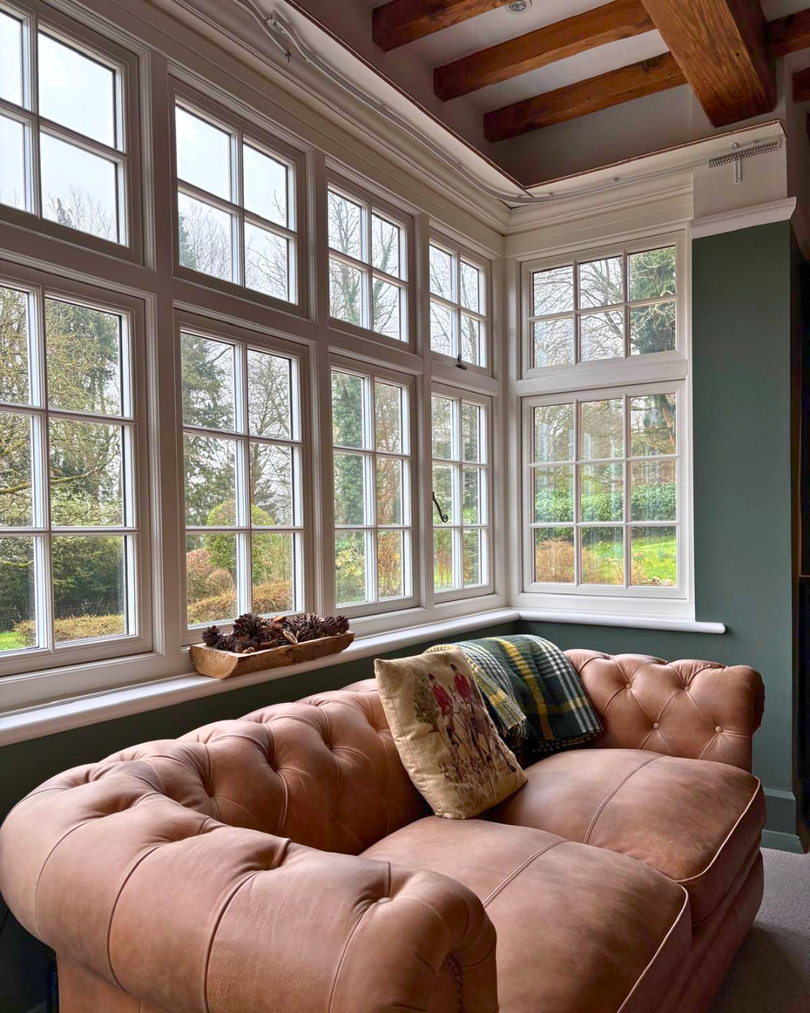
Timber alternative windows are another option for homeowners who like the appearance of traditional timber but want a lower-maintenance material.
Modern timber alternative windows can reproduce the proportions and detailing associated with traditional windows while offering durability and easier maintenance.
For period homes, the detailing is particularly important. A window can technically be the right style but still look wrong if the frame is too bulky or the glazing arrangement is not appropriate.
The best timber alternative windows are designed with these proportions in mind.
uPVC double glazing
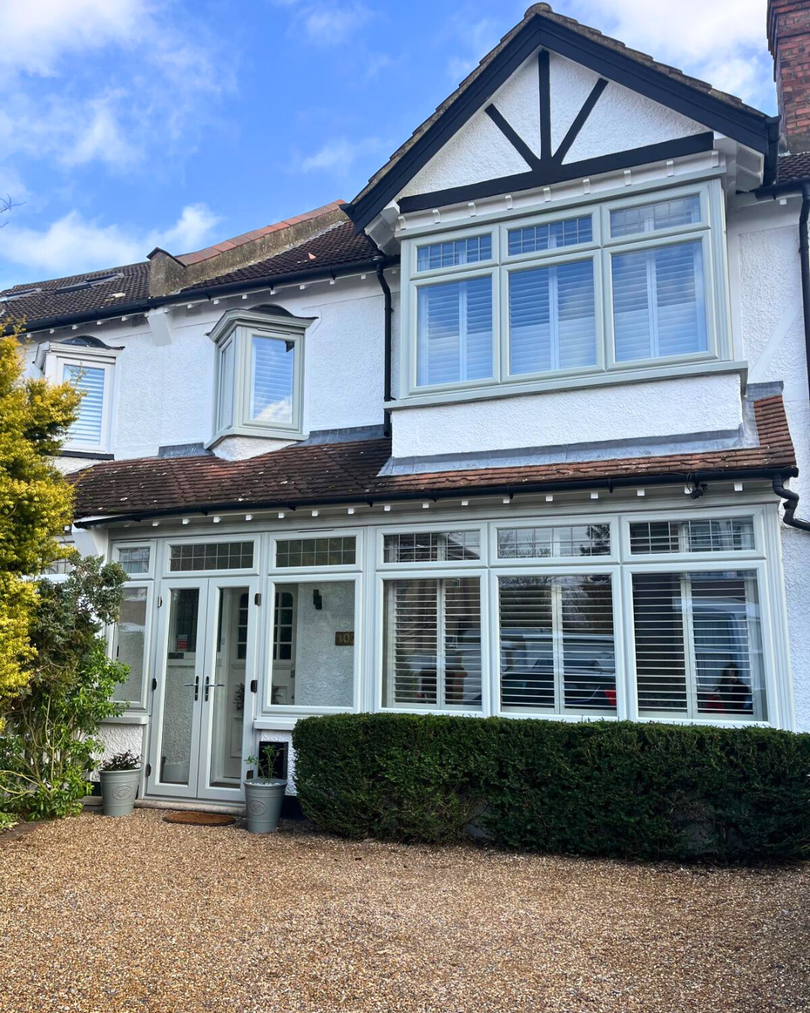
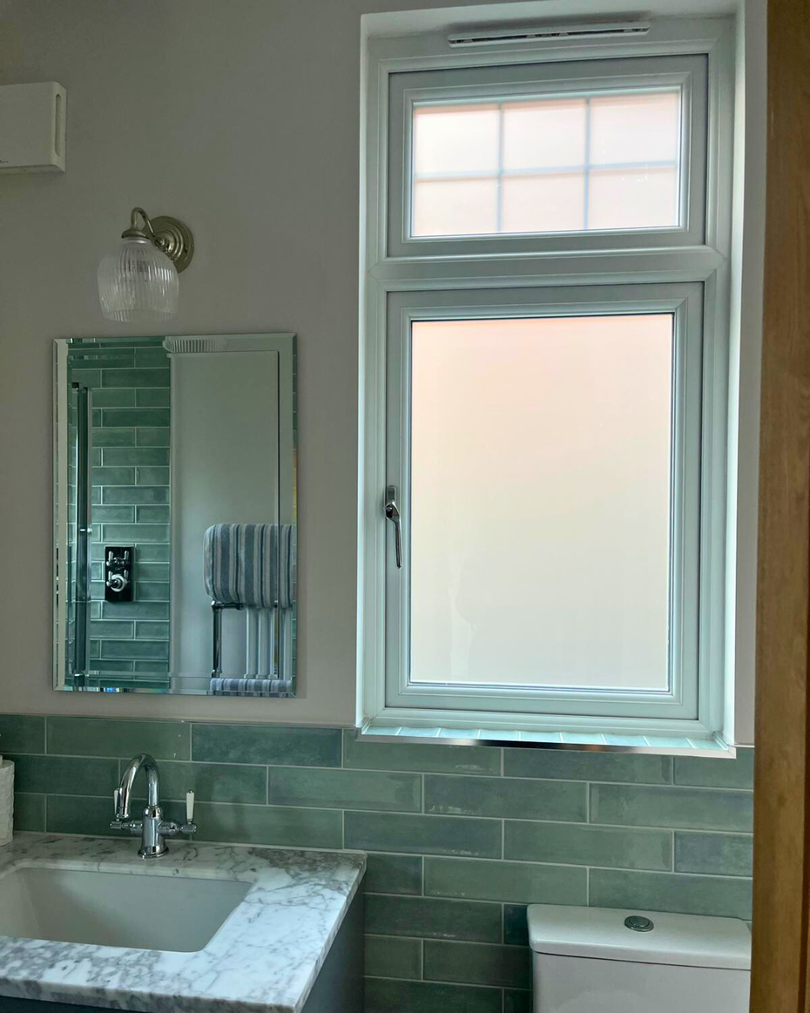
uPVC is often chosen for its durability, low maintenance and generally competitive price.
Modern uPVC windows are available in traditional styles, including casement and sash designs, so they can work well in some period properties.
They are not automatically the wrong choice for an older home. What matters is how closely the design suits the property.
Slimmer frames, appropriate glazing bars and traditional opening arrangements can make a significant difference to the finished appearance.
However, in particularly sensitive historic buildings, the detailing and material may need more careful consideration. Historic England points out that traditional windows can have thinner sections and different detailing from uPVC replacements, which can affect the appearance of an older building.
What about sash windows?
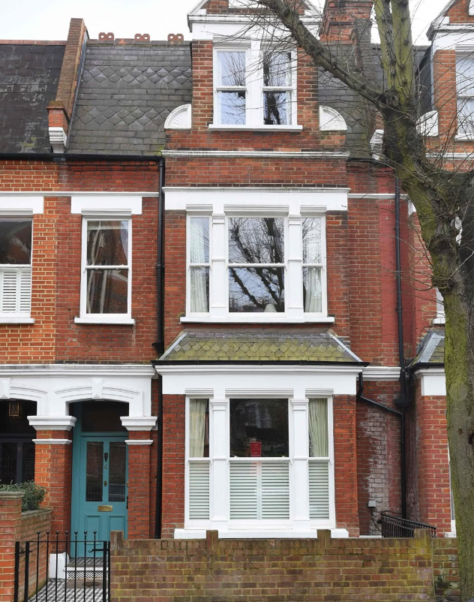
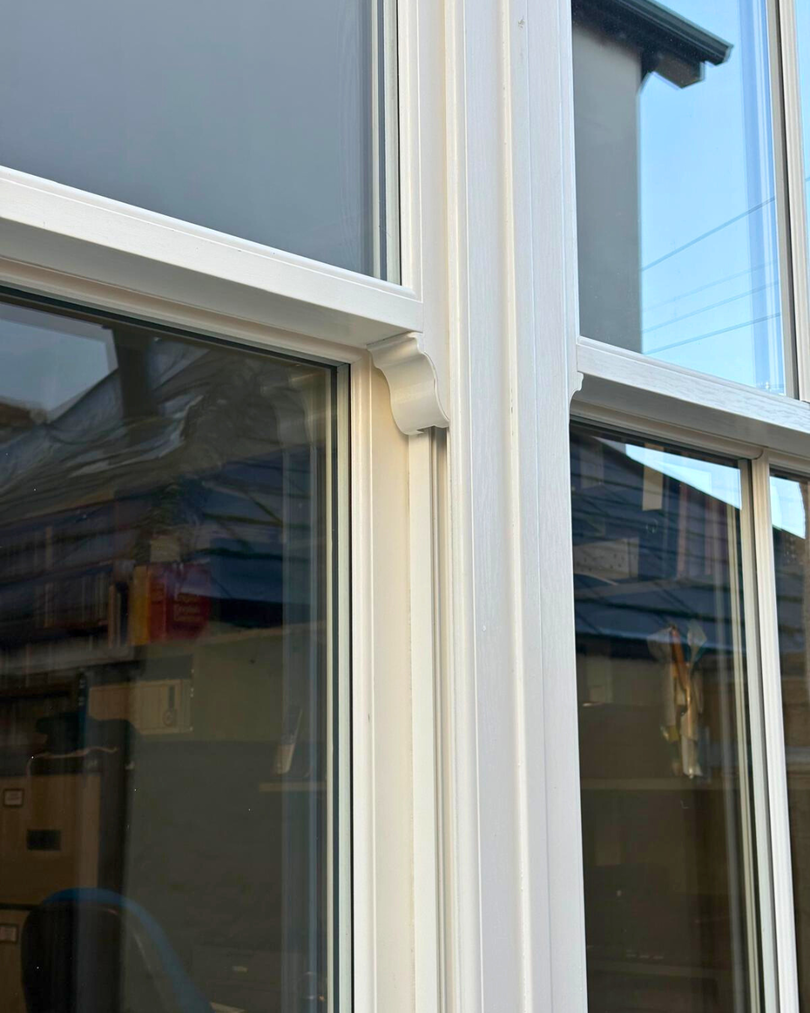
Sash windows are one of the most recognisable features of many Victorian and Georgian homes, and replacing them requires particular care.
The proportions of the sashes, glazing bars and meeting rails all affect the appearance of the window.
If the original sash windows are in good condition, repairing them, draught-proofing them and adding secondary glazing can be a very sympathetic approach.
Where replacement is necessary, modern double-glazed sash windows can provide the traditional appearance with improved insulation, security and ease of use.
There are also different approaches to sash windows depending on the property. Timber sash windows offer the most traditional material, while modern alternatives can reduce maintenance.
The important thing is to look beyond the words “double glazed sash window” and examine the actual design. The width of the glazing bars, depth of the frame and overall proportions can make a considerable difference.
Choosing double glazing for Victorian and Edwardian homes
The age of your home can give you a useful starting point.
Victorian homes
Victorian properties can vary enormously, from simple terraces to highly decorative villas.
Traditional sliding sash windows are common, but casement windows also appear on many Victorian homes.
Timber sash or casement windows can be a good choice where authenticity is the priority. Timber alternative and uPVC options may also work where the design closely reflects the original architecture.
If the property has decorative original glass, it is worth considering whether it can be retained rather than automatically replacing it.
Edwardian homes
Edwardian architecture tends to have lighter and less elaborate detailing than many Victorian properties.
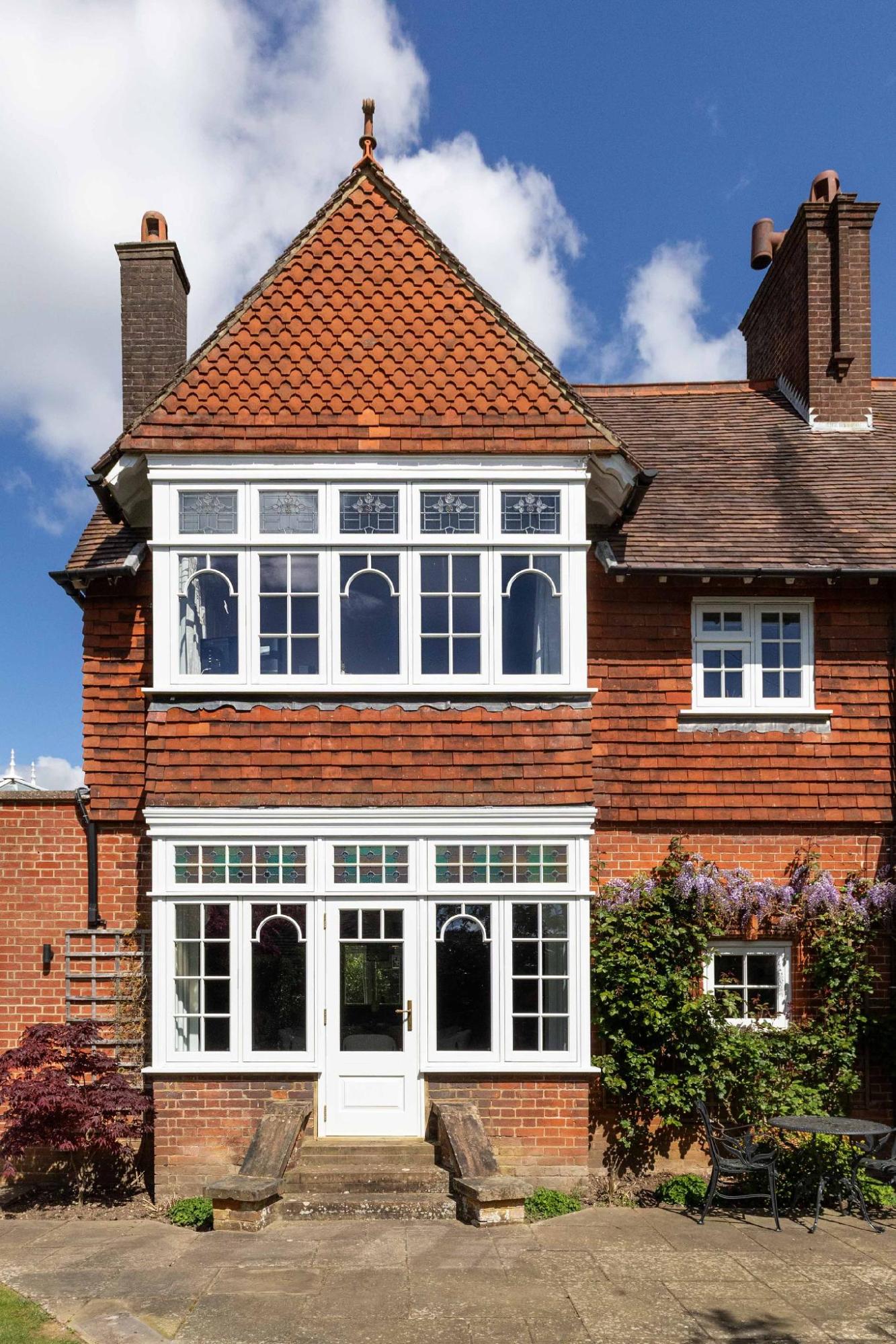
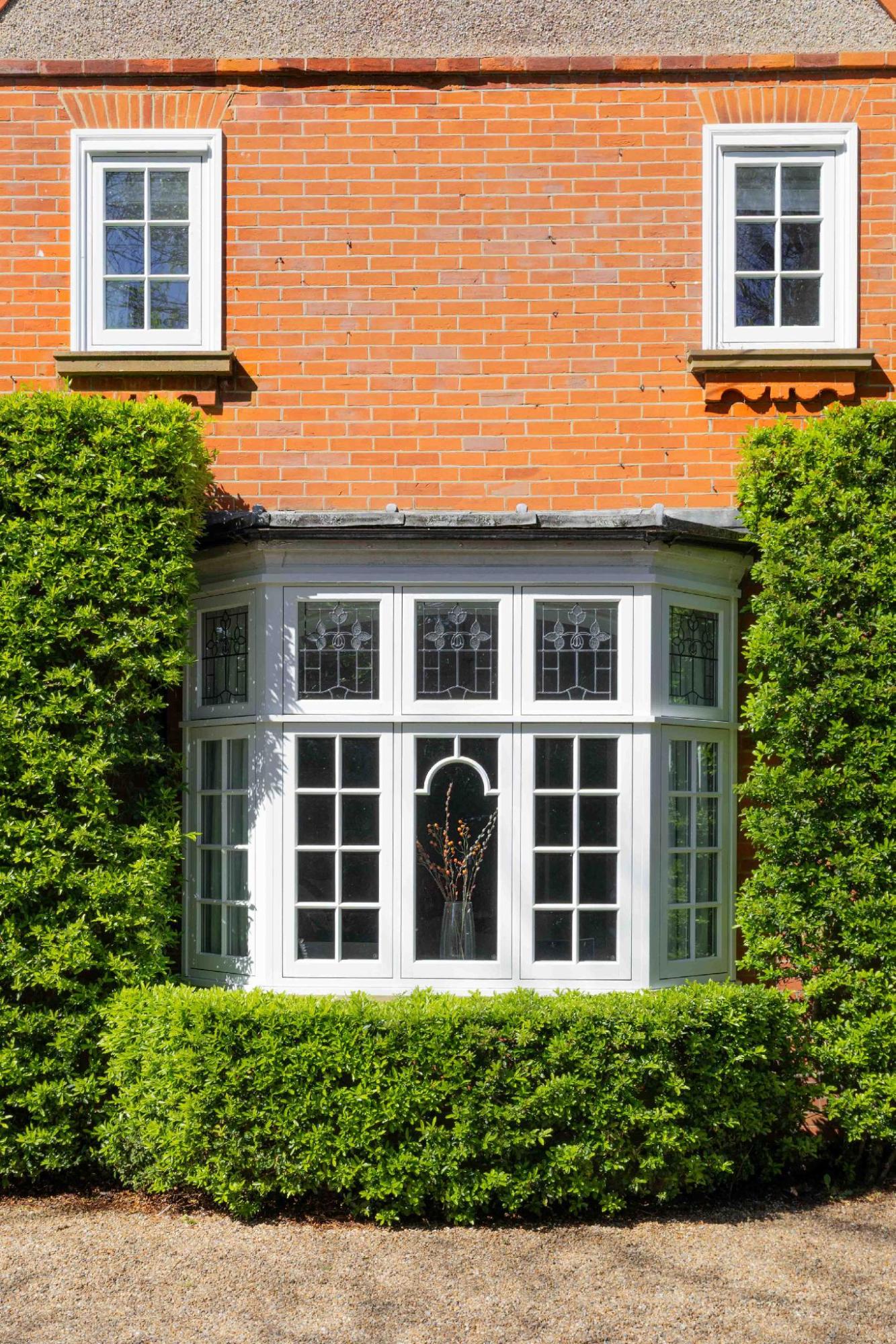
Windows can be larger, with more emphasis on natural light. Casement windows became increasingly common, often with leaded or decorative glass.
Double-glazed replacement windows can work particularly well where they reproduce these proportions without making the frames unnecessarily heavy.
For Edwardian homes, the goal is often less about recreating an elaborate Victorian appearance and more about maintaining the property’s balance and generous glazing.
What about listed buildings and conservation areas?
This is one area where it is important not to assume that replacing windows is simply a matter of choosing a style and ordering them.
Listed buildings have specific requirements, and changes to historic windows may require consent.
Conservation areas can also have additional considerations, particularly where windows make an important contribution to the character of the property.
Historic England advises that the significance of the existing window should be considered before replacement and that secondary glazing can often provide an effective way to improve performance while retaining historic fabric.
If your home is listed or located within a conservation area, check the relevant planning requirements before committing to replacement windows.
Which double glazing option is right for your period home?
There is no universal answer.
If your original windows are in good condition and preserving them is your priority, repair and draught-proofing may be the best place to start.
If you want to retain the existing windows but improve comfort and energy efficiency, secondary glazing can be a highly effective option.
If your existing frames are suitable, slim-profile double glazing may allow you to improve performance while retaining more of the original window.
And if your windows are beyond repair or have already been replaced with unsuitable modern windows, new double-glazed windows in a traditional design may provide the best long-term solution.
The important thing is to consider the whole window rather than just the glass. Frame proportions, glazing bars, opening style, materials and detailing all contribute to how a period home looks.
Finding the right windows for your period home
Double glazing has come a long way, and upgrading the windows of an older property no longer has to mean choosing between energy efficiency and character.
For some homes, the best solution will be carefully retained original windows with secondary glazing. For others, new timber, timber alternative or uPVC windows may provide the right balance of appearance, performance and maintenance.
The starting point should always be the property itself.
Look at the age and architectural style of the house, the condition of the existing windows and the features that make the property distinctive. From there, it becomes much easier to decide which approach makes sense.
At Elwyns, we have been helping homeowners choose windows for traditional and period properties for over 60 years. We offer timber, timber alternative and PVC windows in a range of traditional styles, including sash and casement designs, so there are options for different homes and priorities.
If you are considering double glazing for a period home, visit one of our showrooms or speak to our team about the options available for your property. We can help you compare materials, styles and glazing options and find a solution that improves your home without losing what makes it special.